A concrete and ambitious approach
France is mobilising to offset the growing scarcity of its water resources. The national “Eau” (Water) plan, launched in 2023, aims to develop 1,000 projects for the reuse of unconventional water by 2027, in order to reach 10% reuse of treated wastewater by 2030, compared with less than 1% today (see aquatechtrade.com, citego.org). These initiatives will notably help reduce abstraction from groundwater and rivers, while meeting agricultural, urban and tourism needs.
Argelès-sur-Mer: a major pilot project
Taking the national lead, the Argelès-sur-Mer project is the first beneficiary of the hydraulic fund set up by the French state (see aquatechtrade.com, Smart Water Magazine). Led by the Albères-Côte Vermeille-Illibéris community of municipalities and Veolia, it will make it possible, from 2026, to reuse 1.3 million cubic metres of treated wastewater per year — the equivalent of five months of drinking-water consumption for the region. The goal: preserve local resources and support agriculture sustainably in the face of water stress.
Vendée: towards drinking water made from wastewater
Another flagship project, the Jourdain programme in the Vendée, run by Vendée Eau and Veolia, breaks new ground: an ultra-technical recycling unit (Barrel™), inaugurated in November 2023, already produces 1.5 million m³ of drinking water per dry season. The aim is to raise that volume to 2–3 million m³ by 2027, enough to cover the consumption of 60,000 inhabitants (see Veolia). The solution deploys cutting-edge technology combining ultrafiltration, low-pressure reverse osmosis, UV and chlorination.
Regulatory framework and historical context
Wastewater reuse has been regulated in France since 2010 under provisions of the Environmental Code and ministerial orders setting out authorised uses (irrigation, green spaces, and so on). The “Eau” plan strengthened that framework, broadening the possible uses (urban cleaning, firefighting) while excluding direct domestic uses (sanitary, food-related) in order to guarantee health safety (see University of Montpellier). Regulatory and economic support schemes accompany the projects, which nonetheless face real challenges: the complexity of the authorisation process, high costs, and a scope that often remains local.
Wastewater reuse complements conventional systems — and points towards atmospheric water generators
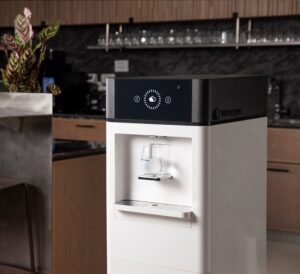
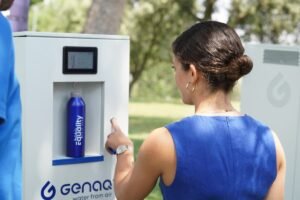
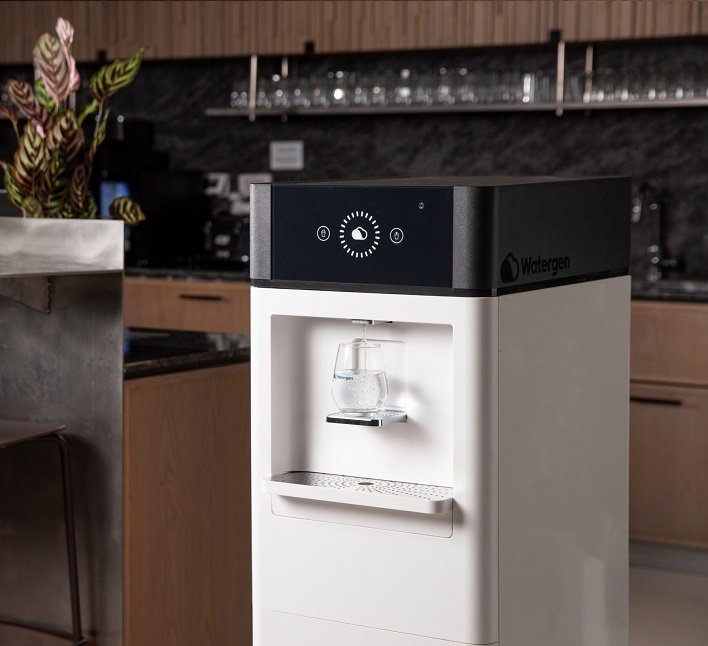
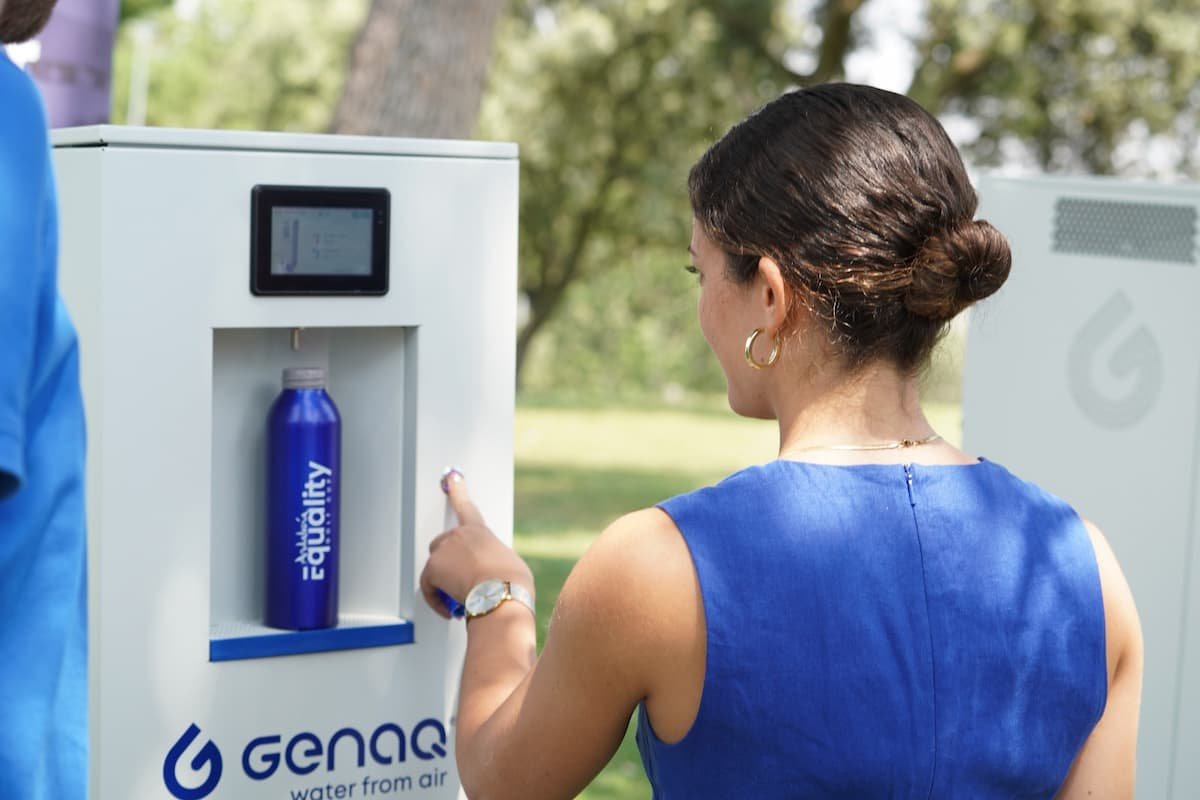
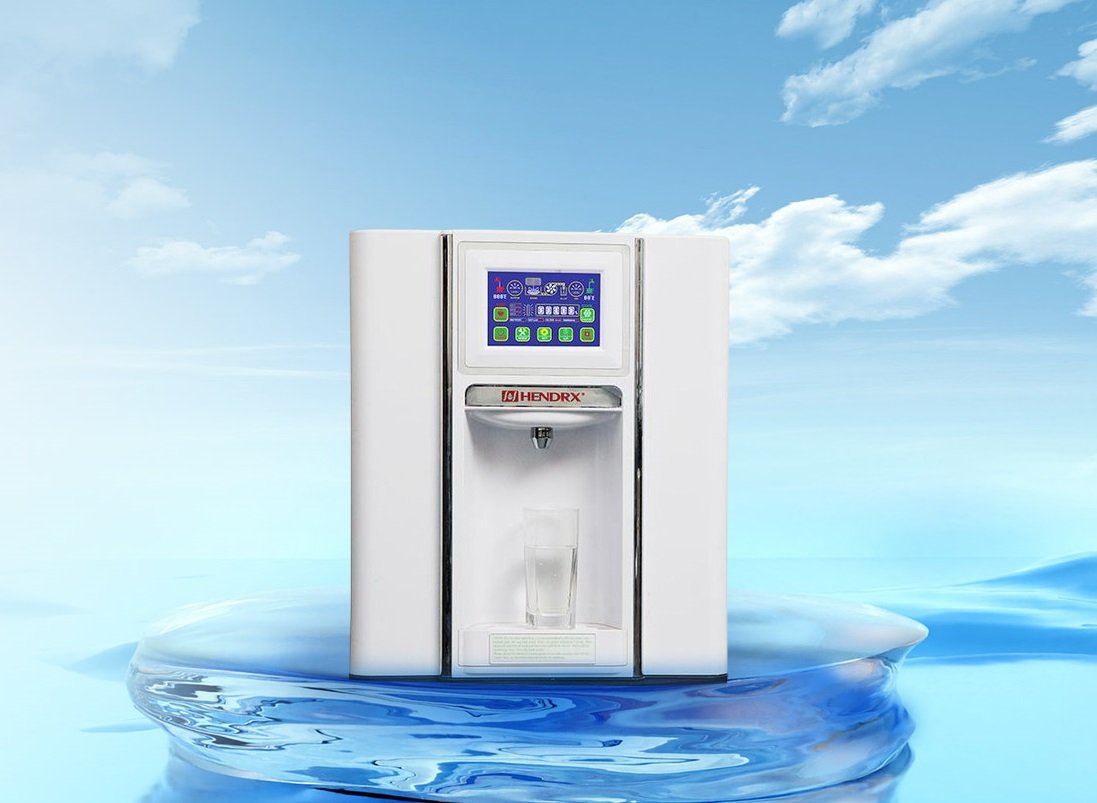
These initiatives illustrate effective technical answers to growing water shortages. But beyond wastewater reuse, atmospheric water generators (AWGs) are emerging as a promising complementary solution, capturing moisture from the air and turning it into usable water — a technology that is particularly relevant in arid or isolated areas where traditional infrastructure is lacking.
Like wastewater reuse, AWGs are part of a circular, innovative and resilient approach: reclaiming unsuspected resources (rainwater or air) to meet vital needs. In a climate context where diversifying water sources is becoming unavoidable, combining domestic water reuse with atmospheric production represents a versatile strategy for securing water supply.
A concrete example of this complementarity can be seen in Perpignan, where an experimental system captures moisture from the air to irrigate green spaces without drawing on the mains network.