There are several different processes for harvesting water from the air.
These methods rest mainly on the principle of condensing the water vapour present in the atmosphere.
These various technologies make it possible to produce water from air, including in arid or remote areas. Depending on the method used, these approaches require more or less energy.
Here are some of the main technologies.
Passive condensation (dew)
This process relies on cooling the air until the water vapour it contains condenses into droplets on specific surfaces, for example:
- Dew sheets: hydrophilic (water-absorbing) materials are placed outdoors overnight, when the air cools, allowing dew to condense.
- Fog nets: large nets, placed in coastal or mountainous areas, capture the micro-droplets of water in fog, which then run down into a collector.
16 June 2025: https://lareleveetlapeste.fr/au-maroc-des-filets-transforment-le-brouillard-en-eau-potable/
(date unknown) – https://www.activesustainability.com/water/fog-catchers/
Active condensation (atmospheric water generator technology)
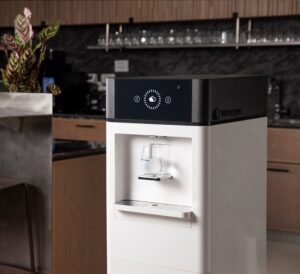
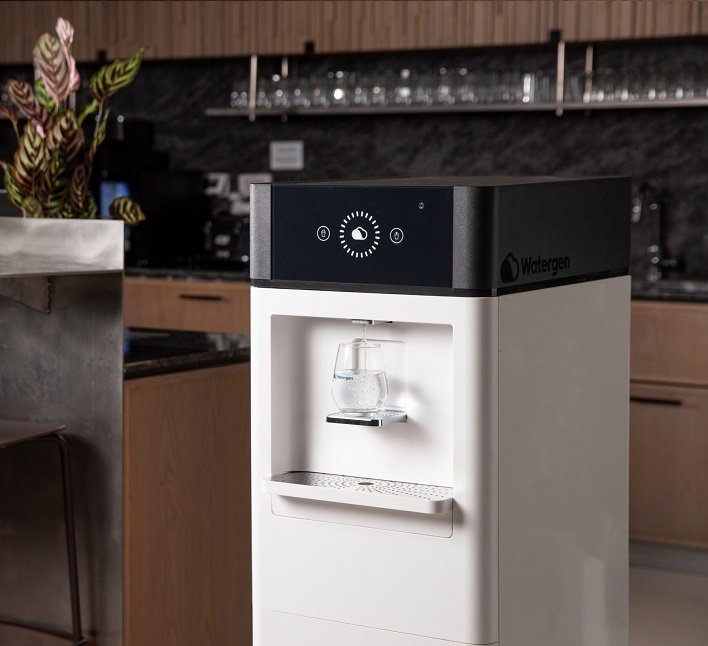
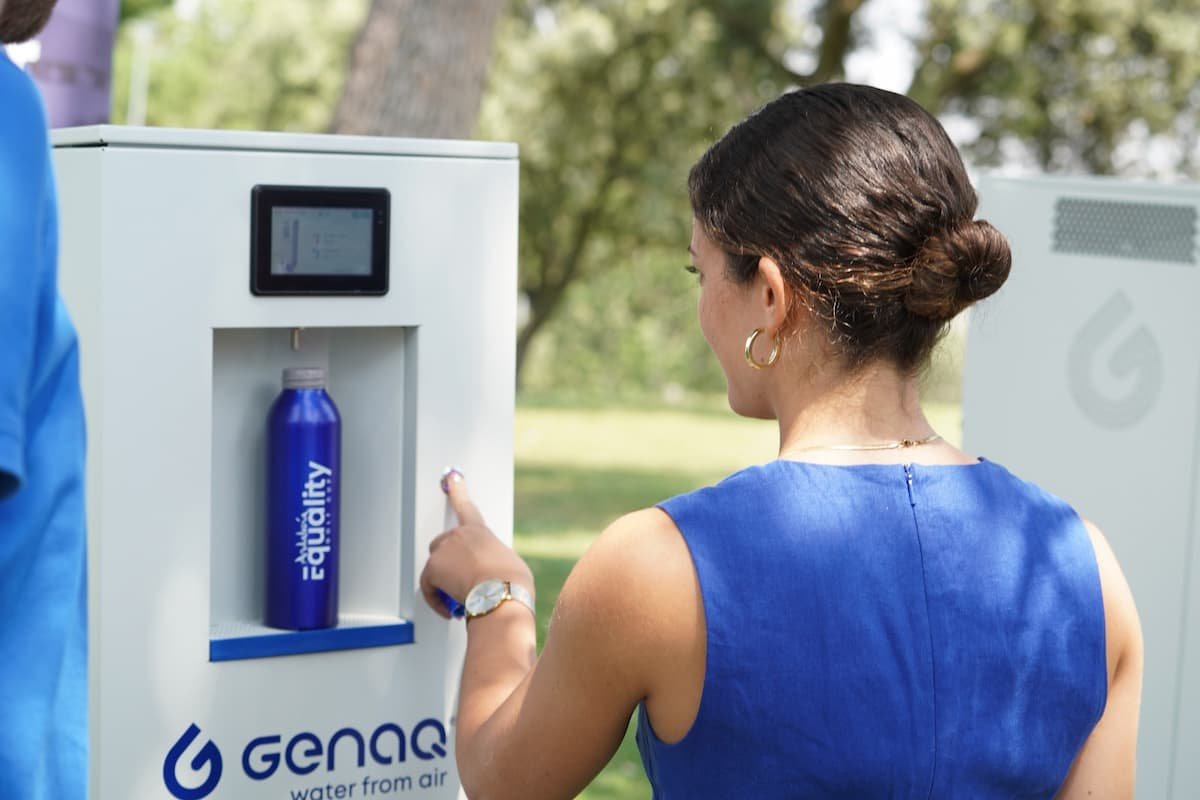
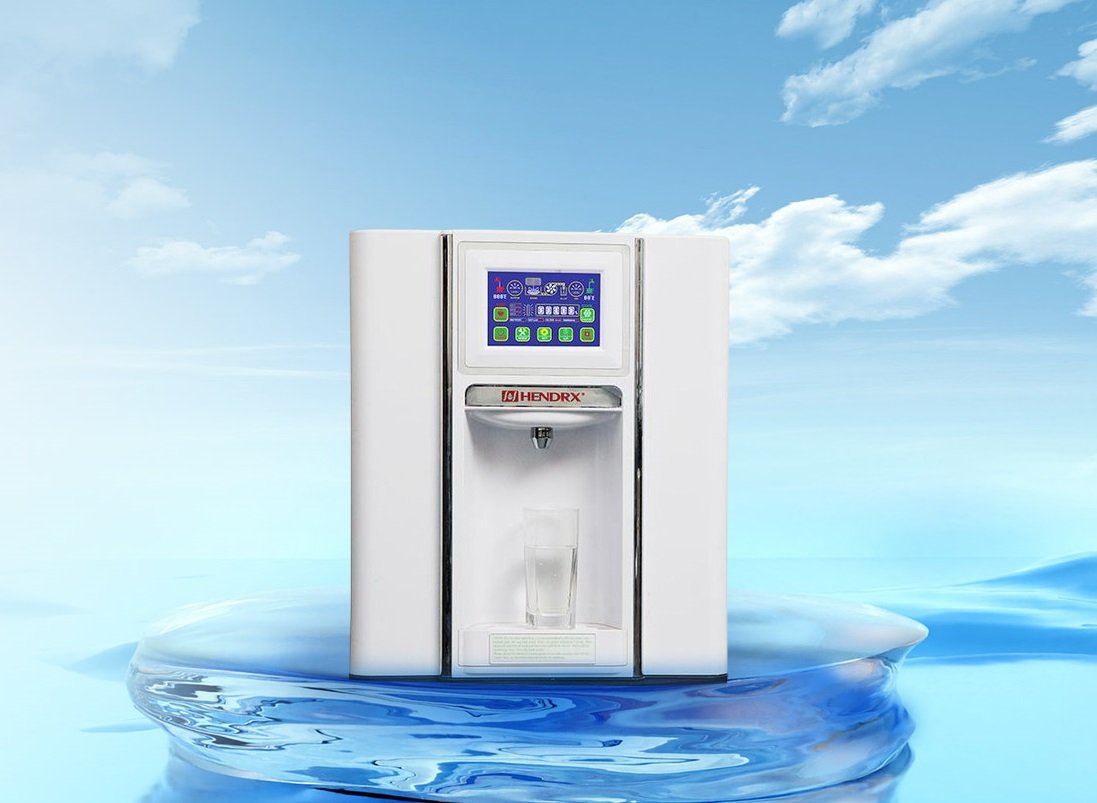
Atmospheric water generators use cooling systems to bring the temperature of the air below its dew point, causing condensation. There are several types:
- Compression cooling systems: these work in a similar way to an air conditioner or a refrigerator. Air is drawn in, cooled, and water is extracted from it by condensation.
- Thermoelectric cooling systems: these use the Peltier effect to cool metal plates and cause water to condense on their surface.
March 2025 – https://en.wikipedia.org/wiki/Atmospheric_water_generator
Solar towers and fog towers
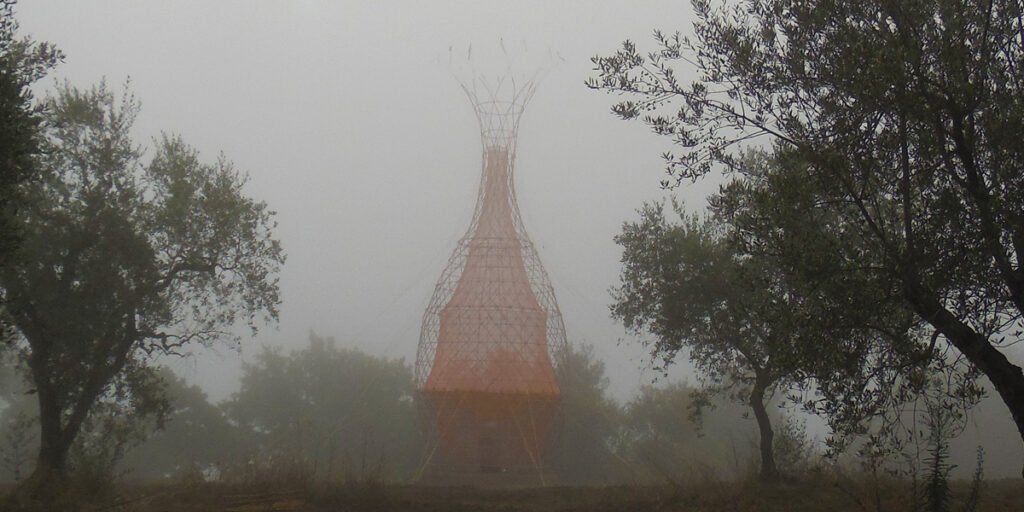
These systems work through thermal draught and condensation. Warm air rises inside a tower through a solar chimney effect and cools at altitude, causing it to condense.
Prototypes are being tested for this theoretical concept; few installations are documented or in operation.
Prototypes from 2015 and 2019 – https://warkawater.org/warkatower/
Absorbent and desiccant materials
Specific absorbent or desiccant materials, such as silica or calcium chloride, are used to capture humidity from the air, generally at night. The heat of the day, or a thermal or mechanical method, is then used to extract the trapped water.
MOF materials (Metal-Organic Frameworks) are innovative materials that efficiently capture water vapour at low humidity. They then release that water when gently heated.
For this process, concrete projects and applications are still rare, but technical articles cite the use of MOF materials to capture humidity.
9 January 2024 – https://www.chemeurope.com/fr/news/1182403/comment-capter-l-eau-de-l-air.html
Reverse evaporation (evaporative cooling)
One process for recovering the water present in the air uses panels or structures that cause water to evaporate into the surrounding atmosphere; that vapour is then condensed on a cold surface in another part of the system, making it possible to recover the water.
This principle is also used to make water unfit for consumption (river, sea, etc.) drinkable.
January 2024 – https://en.wikipedia.org/wiki/Solar_still
Systems based on chemical solutions
Some processes use saline solutions or chemical substances that absorb humidity from the air. This is the principle behind adsorption or chemical air dehumidifiers.
That water is then extracted through distillation or heating.
September 2024 – https://en.wikipedia.org/wiki/Dehumidifier
Bio-inspiration (biomimetic technologies)
Research draws on nature to develop surfaces able to capture water in the same way as certain plants or animals.
The desert beetle, for example, captures morning dew using microstructures on its back. This method inspires us to imagine surfaces capable of capturing and channelling water.