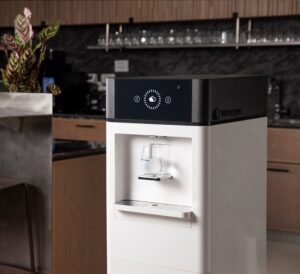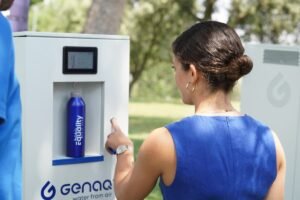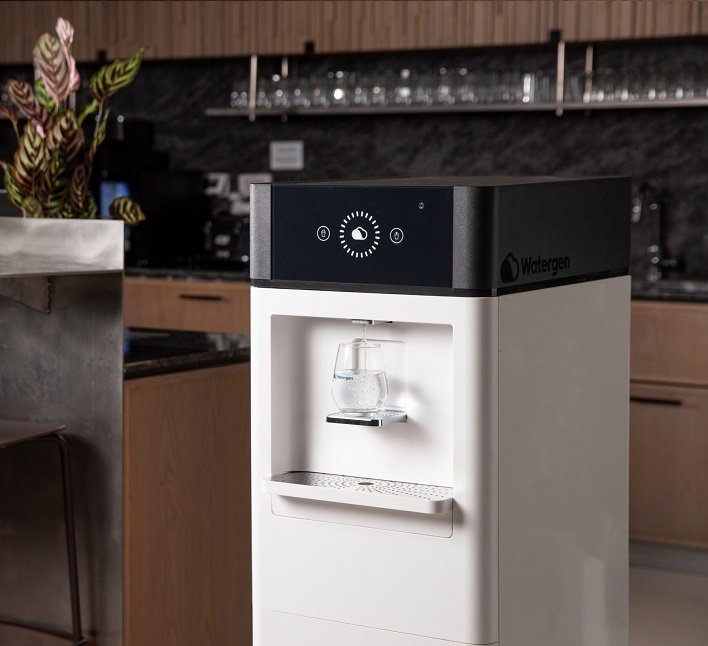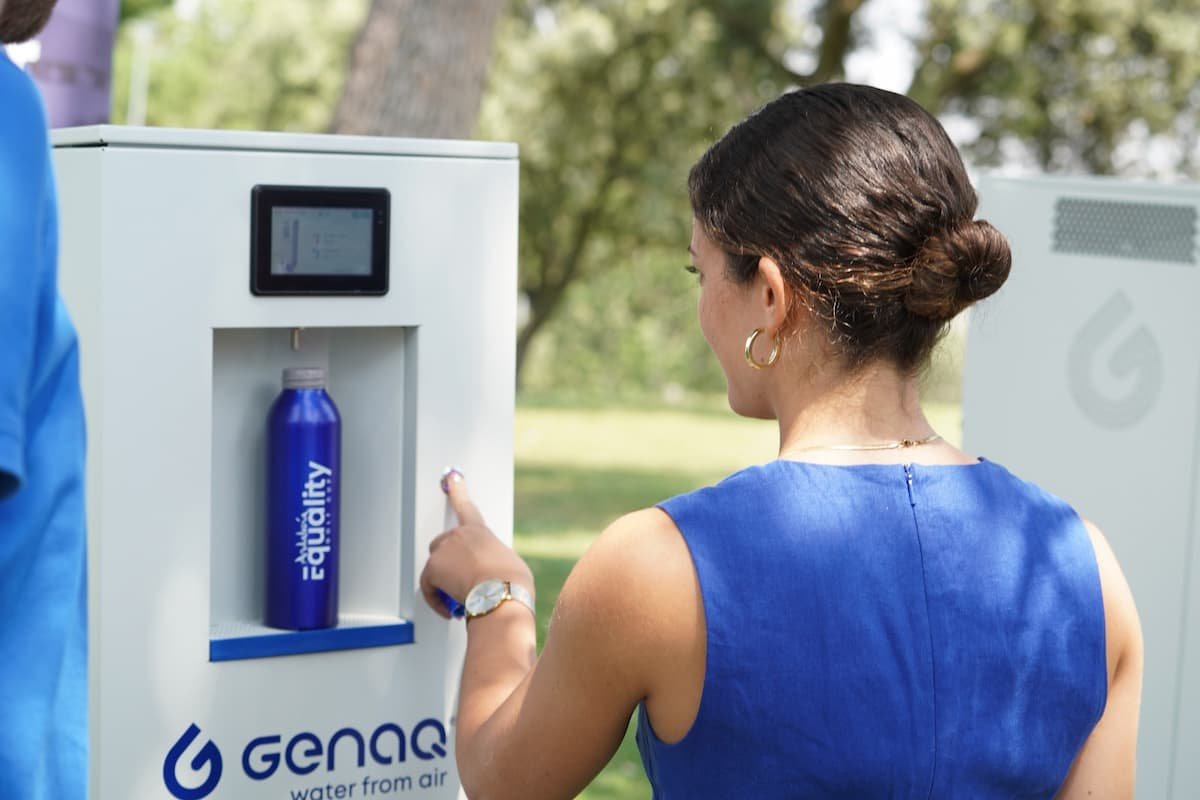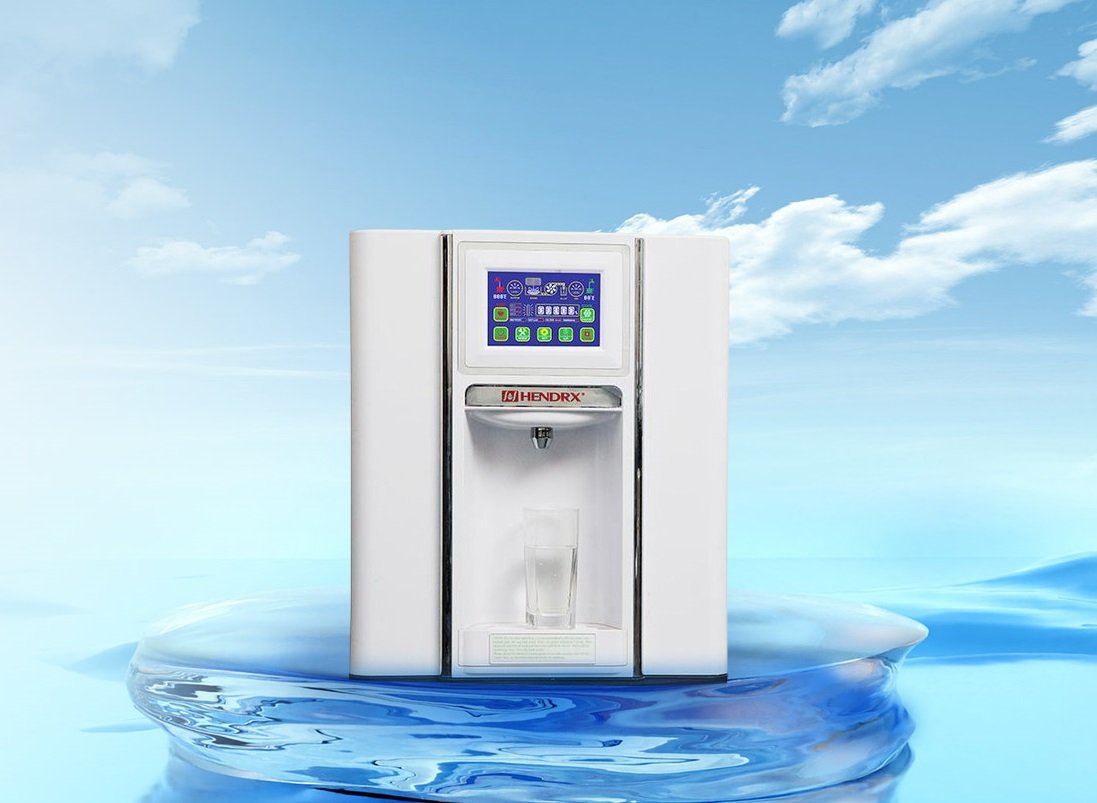
Positive reviews focus above all on the taste of the water and how simple the units are to use, while negative reviews almost always point to the same problem — slow after-sales support when something breaks — rather than a fault in the machine itself.
Before buying an atmospheric water generator, many prospective buyers look for genuine reviews. Here is what really emerges from the user feedback available online, both positive and negative, and how to read it without being misled.
What satisfied users say
Positive feedback comes back to fairly consistent points from one account to the next:
- The taste of the water: often described as soft and pleasant, once it has passed through remineralisation.
- Ease of use: plugging the unit in is enough, with no plumbing installation.
- Perceived return on investment: several accounts from households, particularly in French overseas territories where bottled water is expensive, mention payback within a few months for a family of 4 to 5 people.
This feedback matches the orders of magnitude detailed in our article on the price of an atmospheric water generator. That satisfaction also sits within a wider context: in France, around 9.3 billion litres of bottled water are consumed each year, and only 60% of the plastic bottles placed on the market are actually collected for recycling (ADEME), which partly explains why many users value the reduction in plastic waste their generator makes possible.
The warning signs that keep coming back in negative reviews
Less favourable reviews almost always point to the same difficulties, regardless of the brand:
- Delivery and condition on arrival: some buyers report units arriving already opened or incomplete, particularly with direct imports from outside the European Union.
- Breakdowns and customer service follow-up: this is by far the most common source of dissatisfaction, with response times judged too long when something goes wrong (touchscreen, sensors, compressor).
- Output below the advertised figures: real production depends heavily on ambient humidity and temperature, a point that product sheets sometimes downplay.
This last point ties directly into our recommendations on selection criteria: always check the stated output under your real conditions, not just under optimal laboratory conditions.
After-sales and customer service: the real satisfaction factor
Cross-referencing the accounts, one factor stands out above all others in long-term satisfaction: the availability of after-sales support. A unit that breaks down is not a deal-breaker in itself; what is, is the absence of a reply or of available spare parts. That is why we recommend checking this point before buying, particularly for professional use where a prolonged breakdown carries a direct cost.
How to read an online review without being misled
- Check the source: reviews published directly on a manufacturer’s own website are rarely representative. Favour independent review platforms or specialist forums.
- Look for detailed reviews: a review that specifies the model, the conditions of use and how long the owner has had it is more reliable than a bare rating.
- Read the seller’s reply: how a company responds to a negative review often says more about the quality of its after-sales service than the review itself.
Our checklist before buying
Beyond reviews, a few concrete checks help avoid unpleasant surprises: ask for the production data sheet under real conditions (not just optimal ones), check the availability of spare parts in France or Europe, and make sure the manufacturer follows the water quality monitoring recommendations covered in our article on atmospheric water generator regulation. A reliable unit is not simply one that produces water: it is one for which you will actually get an answer when something goes wrong.
Yadlo is the independent reference website on atmospheric water generators in France — no sales, no conflict of interest, only honest information grounded in hands-on field experience.