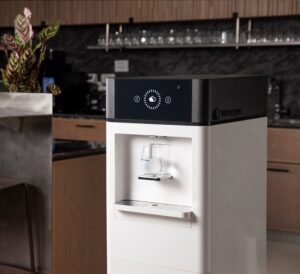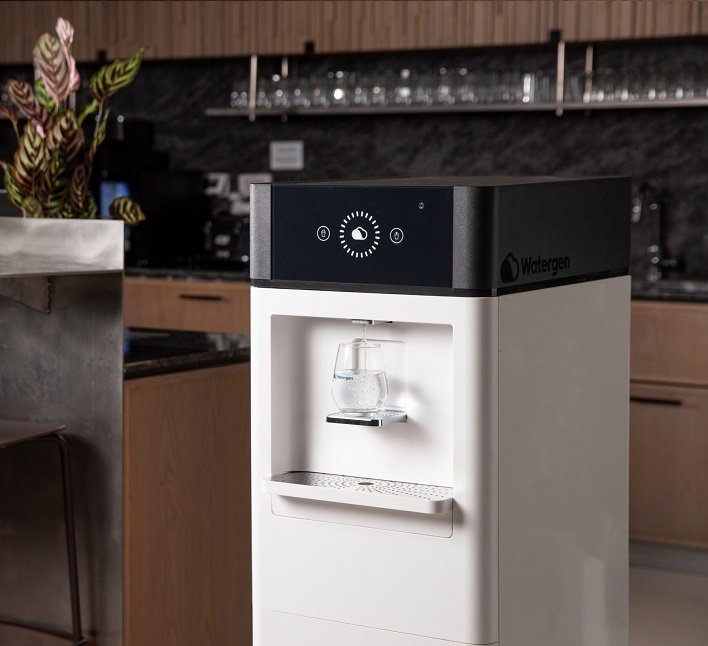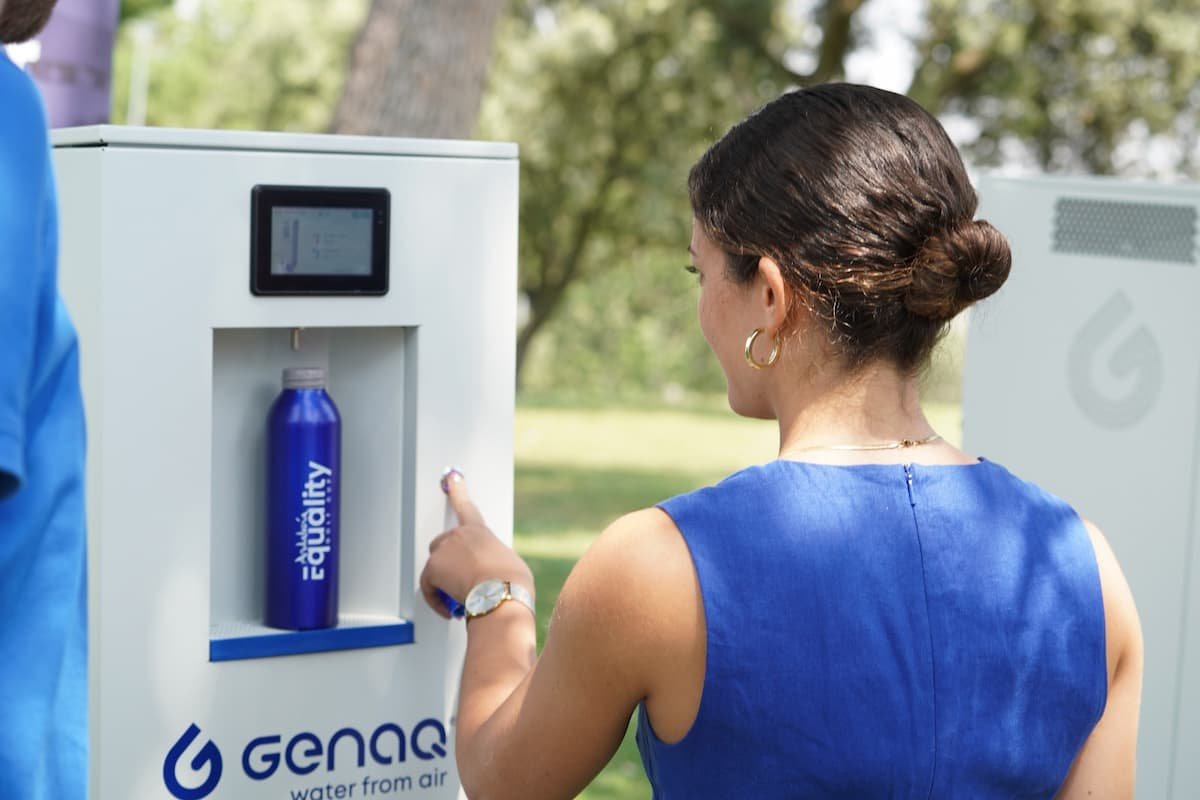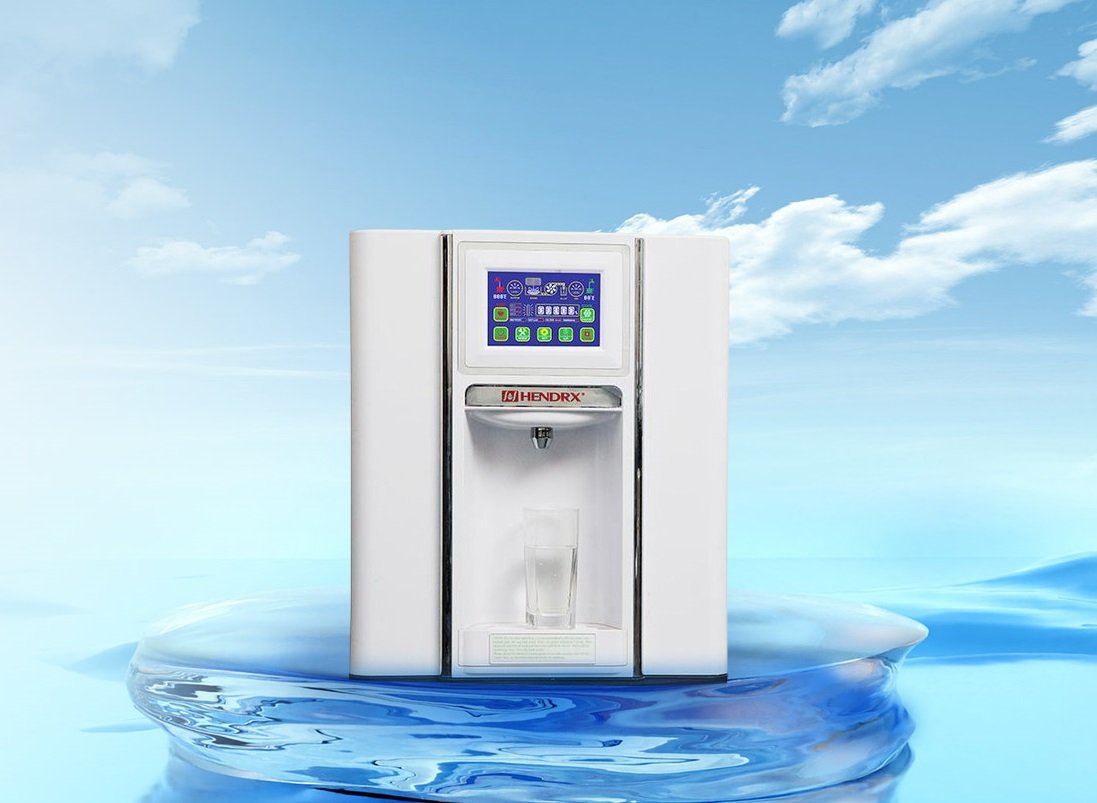
Having an atmospheric water generator at home is an excellent way to secure your access to water, reduce your dependence on the mains network or on bottles, and improve your self-sufficiency. Models producing 10 to 30 litres a day are a sensible format for domestic needs. The key criteria for choosing your atmospheric water generator are its production capacity, water quality, the technology used, its power consumption and its price, along with the other criteria we set out here.
Daily production capacity (litres/day)
A generator’s output depends on ambient humidity and temperature. Make sure the model can produce the average daily volume you want under real conditions — for example at least 10 litres a day. Stated production capacity is given for ideal conditions (generally 30°C and 80% humidity). You therefore need to find out its output under your own temperature and humidity conditions. This is one of the key criteria when choosing your atmospheric water generator.
What to check:
- Production figures under standard conditions (e.g. 20°C / 60%)
- Operating humidity and temperature range (e.g. 15-45°C / ≥35% humidity)
- Consistency of production (day/night)
Quality of the water produced
Another important criterion when choosing an atmospheric water generator: the guarantee of good-quality water. Although the droplets formed by condensation are pure at the moment they are created, the air can contain particles, pollutants or allergens. Even though the water is collected immediately, it must be filtered as a precaution.
What to check:
- Filtration stages (activated carbon, UV, reverse osmosis, remineralisation, etc.)
- Taste of the water, mineral composition
- Any health certifications (CE, NSF, ISO, etc.)
Power consumption (kWh per litre produced)
Energy costs can add up quickly. The target for efficient models is generally 0.3 to 0.6 kWh per litre.
What to check:
- Daily electricity consumption
- Estimated cost in €/day or €/month at the output you expect at home
- Solar / battery compatibility if you want off-grid autonomy
Condensation technology
The technology used influences performance, reliability, noise and maintenance.
What to compare:
- Air condensation compressor (conventional)
- Hybrid or desiccant technologies (less common, but sometimes more effective in dry air)
- Efficiency in a temperate climate (such as France)
Maintenance and consumables
Hidden costs are often tied to upkeep.
What to check:
- How often filters, UV lamps and so on need replacing
- Annual cost of consumables
- Ease of maintenance / self-cleaning / warning indicators
Footprint and integration into your home
For daily use, the format obviously has to suit your home. What is more, because the unit works by drawing in ambient air, it must not be built in and needs a well-ventilated space.
What to check:
- Dimensions (ideally fridge-sized / no more than about 60×60×150 cm)
- Noise level (ideally under 50 dB for an indoor unit)
- Weight and mobility (castors?)
Durability and environmental impact
Some models consume a lot of electricity, or use plastics that are not built to last.
What to consider:
- Country of manufacture, repairability
- Materials used (BPA-free, stainless steel, etc.)
- Comparative carbon footprint (against bottled water)
Smart and connected features (optional)
Useful for controlling, monitoring and optimising production.
What to consider:
- Mobile app / Wi-Fi
- Monitoring of water quality, tank level, alerts
- Automatic scheduling
Purchase price and value for money
Prices can range from €2,000 to €6,000 for a domestic model, depending on the technology, the brand and the output.
What to compare:
- Cost per litre over one year (investment + energy + maintenance)
- Warranty (length, conditions, support)
- Availability of after-sales service — is it local, and are spare parts available?
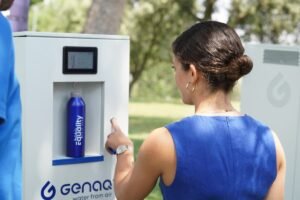
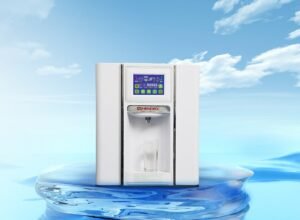
On the domestic generator market, manufacturers such as Watergen, GENAQ and Hendrx illustrate different approaches to these criteria, between proprietary technology, industrial robustness and versatility of use.